Financial Aid for Studying Abroad: A Real Guide
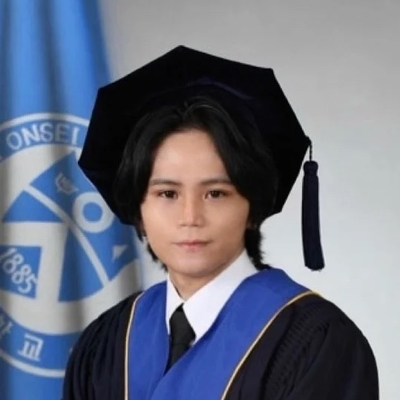 Ace Apolonio
 Most students who want to study abroad assume they can’t afford it — and that assumption costs them opportunities that were genuinely within reach. The truth is that financial aid for studying abroad is far more accessible, diverse, and generous than most people realize. You just need to know where to look and how to compete for it.
What “Financial Aid for Studying Abroad” Actually Covers
People often hear “financial aid” and think exclusively of student loans or limited university discounts. In reality, the landscape is much richer than that.
Financial aid for studying abroad falls into several broad categories:
- Full scholarships — These cover tuition, living expenses, travel, and sometimes even a monthly stipend. Programs like the Korean Government Scholarship (GKS) and Erasmus Mundus Joint Master Degrees (EMJMD) are prime examples. They’re competitive, but thousands of students win them every year.
- Partial scholarships and grants — Many universities and bilateral government programs offer partial funding that can be combined with personal savings or a part-time job.
- Tuition waivers — Some host institutions waive international student fees entirely in exchange for academic merit or research contributions.
- Stipend-only awards — Certain research fellowships or teaching assistant programs don’t pay tuition but cover your living costs, which is significant in affordable-cost countries.
- Emergency and supplementary funds — Once enrolled, many universities have hardship funds, mobility grants, or travel bursaries that enrolled international students can apply for.
Understanding which type fits your situation is step one. A student with a strong academic record but limited savings is a different case from a working professional looking to pivot through a funded master’s degree.
The Scholarships Worth Your Time (And How to Approach Them)
Not all scholarships deliver equal value. Here’s where I’d focus your energy:
Erasmus Mundus Joint Master Degrees are among the most generous scholarships in the world for graduate students. They cover full tuition across two or three European universities, provide a monthly living allowance, pay for travel, and even include health insurance. The catch: the application is highly competitive and the motivation letter needs to be genuinely outstanding. If you’re considering this route, read The EMJM Motivation Letter: What Actually Gets You Funded before you write a single sentence of your application.
The Korean Government Scholarship (GKS) is another top-tier fully funded option. It covers undergraduate and graduate studies in South Korea with tuition, accommodation, flights, and a monthly stipend. The application requires a strong personal statement and a well-structured study plan — both of which need to speak directly to Korea’s academic and cultural context, not just your ambitions.
Chevening, DAAD, and Commonwealth Scholarships each target specific nationalities and fields. Research which ones you’re eligible for by citizenship, not just by interest — eligibility filters dramatically narrow the field and improve your odds.
University-specific fellowships are consistently underutilized. Many top universities in Germany, the Netherlands, Sweden, and Canada offer merit-based awards that never get widely advertised. Visit the scholarship pages of your target institutions directly — don’t rely solely on aggregate databases.
For a deeper walkthrough of strategy and sequencing, How to Win a Scholarship Abroad: A Step-by-Step Guide is a good place to start.
Building a Financial Aid Strategy That Actually Works
Applying to one scholarship and waiting is a plan that rarely succeeds. Think of financial aid as a portfolio, not a lottery ticket.
Here’s what a smart strategy looks like in practice:
- Identify three to five programs you’re genuinely qualified for — not just interested in. Check academic requirements, language scores, nationality eligibility, and field restrictions before investing serious time.
- Stagger your deadlines. Erasmus Mundus deadlines typically fall between January and March. GKS applications usually open in September. Commonwealth scholarships close in late January for most countries. Mapping these out prevents last-minute scrambles and application burnout.
- Reuse and adapt, don’t repeat. Your core narrative — why you want this degree, what you’ve done, where you’re going — should be consistent across applications. But every essay needs to be tailored to that specific program’s values and selection criteria. Generic applications are obvious and get eliminated early.
- Treat recommendation letters as a strategic asset. A weak letter of recommendation can quietly sink an otherwise strong application. Approach recommenders early, give them context, and make it easy for them to write something specific and compelling. If you’re unsure how to have that conversation, How to Ask a Professor for a Recommendation Letter lays out the full approach.
Financial Aid Mistakes That Cost Students Real Money
After working with students across dozens of scholarship cycles, the same avoidable mistakes come up repeatedly.
Applying without reading the actual guidelines. Every scholarship has specific prompts, word limits, and formatting requirements. Ignoring these signals to committees that you haven’t read carefully — and careful reading is a core academic skill they’re evaluating.
Underestimating the living cost gap. Winning a partial scholarship sounds great until you realize the host city’s rent consumes 80% of your stipend. Always model your actual monthly budget — including health insurance, food, transport, and incidentals — before accepting any award.
Waiting until the deadline approaches to start. Strong applications, especially essays and recommendation letters, need weeks of iteration. Starting two weeks before the deadline produces rushed, generic work. Starting two to three months ahead gives you time to revise, get feedback, and genuinely improve.
Ignoring smaller, stackable grants. A €500 mobility grant from your home institution doesn’t sound life-changing — but combine it with a stipend, a tuition waiver, and a travel grant, and you’ve built a livable funding package.
What Committees Are Actually Looking For
This is where most applicants get it wrong. They focus on what they want — the funding, the degree, the experience — rather than what the scholarship exists to do.
Every major scholarship program has a stated mission. Erasmus Mundus wants to build global academic networks and produce researchers who work across borders. GKS wants to deepen South Korea’s diplomatic and academic relationships with partner countries. Chevening invests in future leaders with demonstrated influence in their communities.
Your application needs to speak to that mission directly. What will you contribute to their goals? What do you bring that another strong candidate doesn’t? These aren’t rhetorical questions — they should shape every paragraph of your essays and every answer in your interview.
Speaking of interviews: if you get shortlisted, preparation is non-negotiable. Most scholarship interviews are structured and evaluative, not conversational. Know your application inside out, prepare for values-based questions, and practice speaking about your plans with precision and confidence.
Frequently Asked Questions
Q: What is the best financial aid option for studying abroad as a graduate student? A: For graduate students, Erasmus Mundus Joint Master Degrees and the Korean Government Scholarship (GKS) are among the most comprehensive fully funded options available globally. Both cover tuition, living costs, and travel. The right choice depends on your field of study, nationality, and career goals — so research eligibility requirements carefully before investing time in an application.
Q: Can I apply for multiple scholarships at the same time? A: Yes, and you should. Applying to multiple scholarships simultaneously is standard practice and increases your chances significantly. The key is to tailor each application to the specific program rather than submitting the same materials repeatedly. Use a shared personal narrative across applications, but customize your essays, research focus, and tone to match each program’s mission and selection criteria.
Q: How competitive is financial aid for studying abroad, really? A: Acceptance rates for top scholarships like Erasmus Mundus and GKS are typically between 5% and 15%, which sounds daunting — but it means thousands of students win every cycle. The applicants who succeed are rarely the ones with the most impressive CVs. They’re the ones who understood the program’s mission, wrote with clarity and purpose, and prepared their supporting documents with genuine care. Competitive doesn’t mean impossible; it means you need a real strategy.
If you’re ready to stop guessing and start building an application that actually stands out, the mentorship at Scholars Academie is designed to get you there. We work with students one-on-one through every stage — from program selection and essay drafts to mock interviews and final submissions. Start your free 7-day mentorship and find out what a targeted, expert-guided approach can do for your scholarship journey.
Written by
Ace Apolonio
2016 GKS awardee, Chemical Engineering graduate from Yonsei University, and founder of Scholars Academie. Since 2019, he has helped thousands of students win prestigious scholarships in South Korea and Europe.
Apply What You've Learned
Get your documents reviewed
by a scholarship winner.
Reading guides is one thing. Having a verified awardee read your actual application — line by line — is another.
Free to start · No credit card required