How to Ask a Professor for a Recommendation Letter
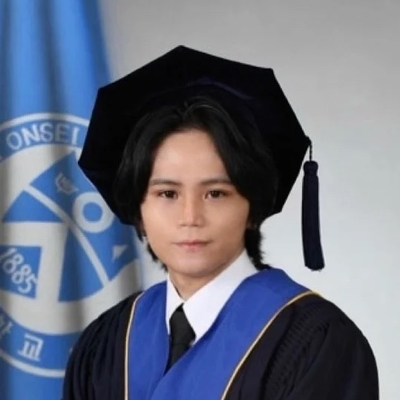 Ace Apolonio
 Most applicants lose their scholarship before the review committee even reads their essays — because they sent a weak, rushed recommendation request and got a generic letter in return. Knowing exactly how to ask a professor for a recommendation letter is one of the highest-leverage skills in your entire application, and almost nobody teaches it properly.
Why the Way You Ask Matters More Than Who You Ask
There’s a common myth that a recommendation letter from a famous professor automatically wins points. It doesn’t — not if that professor writes three vague sentences about you being “a diligent student.” Scholarship committees reading GKS or Erasmus Mundus applications have seen thousands of hollow letters. They can spot a generic one in about thirty seconds.
What actually moves the needle is a letter that’s specific, story-driven, and clearly written by someone who knows your work. And here’s the uncomfortable truth: even a professor who genuinely likes you will write a mediocre letter if you ask them the wrong way. The quality of your request directly shapes the quality of their letter.
This is why learning how to ask a professor for a recommendation the right way isn’t about politeness — it’s about strategy.
Choose the Right Professor Before You Even Draft That Email
Before you type a single word, ask yourself one question: Can this professor speak to my academic ability or intellectual potential with a concrete example? If the answer is no, keep looking.
The ideal recommender is someone who:
- Graded a paper or project of yours and gave substantive feedback
- Supervised you in a lab, research group, or thesis
- Saw you engage seriously in class discussions or seminars
- Worked with you closely enough to describe how you think, not just what grades you earned
A professor from a large lecture course who knows you only as a name on an attendance sheet will struggle to write anything compelling, no matter how much they want to help you. Specificity is everything in a strong letter, and specificity requires proximity.
If you’re applying to GKS, check out How to Get Strong Letters of Recommendation for GKS — it breaks down exactly what Korean universities expect to see in these letters and how to identify the right referees for that specific program.
How to Ask a Professor for a Recommendation: The Email That Works
The single biggest mistake applicants make is sending a cold, one-line email that says something like: “Dear Professor, I’m applying for a scholarship and was wondering if you could write me a recommendation letter.” That email puts all the work on the professor and gives them nothing to write about.
Here’s a framework that actually works:
1. Open with context they’ll remember. Don’t assume they remember you. Remind them which course, which semester, and what you worked on. Be specific — mention the essay topic, the research question, the project name.
2. Tell them about the scholarship and why you’re applying. One focused paragraph explaining what the program is, why you’re a fit, and what you’re hoping to achieve. This helps them frame their letter around your goals.
3. Ask directly, but give them an out. Something like: “I’d be honored to have your support, and I completely understand if your schedule doesn’t allow it right now.” This signals professionalism and gives a reluctant professor a graceful exit — which is far better than a forced, unenthusiastic letter.
4. Offer to make it easy for them. Attach your CV, your draft personal statement or motivation letter, a bullet list of your key accomplishments, and the submission deadline. Professors are busy. The less they have to hunt for information, the better your letter will be.
5. Give at least three to four weeks. Anything less is inconsiderate, and rushed letters show it.
A word on tone: be respectful but confident. You’re not begging — you’re inviting someone whose opinion you genuinely value to advocate for your future. That framing matters.
What to Send Along With Your Request
Once a professor agrees, your next email should arrive within 48 hours with everything they need in one place. I call this the “recommender packet,” and it should include:
- Your updated CV or résumé
- A one-page summary of your goals and why you’re applying to this specific program
- Your draft personal statement or motivation letter (even if it’s not final)
- Key bullet points about projects or work the professor supervised — the ones you’d love to see mentioned
- Submission instructions, the portal link if applicable, and the hard deadline
- A polite note reminding them of the date you’ll follow up
Don’t be shy about the bullet points. You’re not writing the letter for them — you’re giving them the raw material to write a great one. There’s a significant difference.
If you’re working on your personal statement alongside this process, Scholarship Essay Writing Tips That Actually Win Funding will help you produce a draft that also strengthens what your recommender can say about you.
Following Up Without Being Annoying
Send a gentle follow-up one week before the deadline — not to pressure, but to confirm everything is on track. Something like: “Just a quick note to confirm the deadline for [Scholarship Name] is [Date]. Please let me know if you need anything else from me.” Short, professional, grateful.
If you haven’t heard back after that, one more follow-up two to three days before is acceptable. After that, you may need to activate a backup recommender — which is why you should always approach one or two more professors than you strictly need.
After They Submit: Don’t Forget This Step
Once the letter is submitted, send a thank-you email. This is not optional. It takes two minutes, it’s the right thing to do, and it keeps the relationship warm for future applications.
A short, specific thank-you — mentioning that you appreciate the time they took and that you’ll keep them updated on the outcome — leaves a strong impression. These relationships compound over time. The professor who writes you a GKS letter today might write your PhD recommendation letter in three years.
Frequently Asked Questions
Q: How far in advance should I ask a professor for a recommendation letter? A: Request the letter at least four weeks before the scholarship deadline — six weeks is even better for competitive programs like GKS or Erasmus Mundus. Professors juggle teaching, research, and administrative responsibilities, and a rushed request often results in a generic, unhelpful letter. Give them proper time and they’ll write with more care and detail.
Q: What should I do if a professor declines to write me a recommendation? A: Thank them graciously and move on immediately. A reluctant or unenthusiastic letter is worse than no letter at all. Have a shortlist of two or three potential recommenders ready before you begin outreach, so a decline doesn’t derail your timeline. Use the experience to refine how you approach the next professor.
Q: Can I ask a professor I didn’t get a top grade from to write a recommendation? A: Yes — if they know your work well and respect your intellectual effort, your grade in their course matters less than the quality of relationship you built. A professor who watched you struggle, ask thoughtful questions, and grow as a thinker can write a far more compelling letter than one who gave you an A but barely knows your name. What scholarship committees want is authenticity and specificity.
Securing a powerful recommendation letter is just one piece of a competitive scholarship application — and it’s much easier when you have expert guidance walking you through each step. If you’re preparing for GKS or Erasmus Mundus and want personalized support on your letters, personal statement, and overall strategy, start your free 7-day mentorship with Scholars Academie and get direct feedback from coaches who’ve helped students win these exact scholarships.
Written by
Ace Apolonio
2016 GKS awardee, Chemical Engineering graduate from Yonsei University, and founder of Scholars Academie. Since 2019, he has helped thousands of students win prestigious scholarships in South Korea and Europe.
Apply What You've Learned
Get your documents reviewed
by a scholarship winner.
Reading guides is one thing. Having a verified awardee read your actual application — line by line — is another.
Free to start · No credit card required