Managing Multiple Scholarship Applications Without Burnout
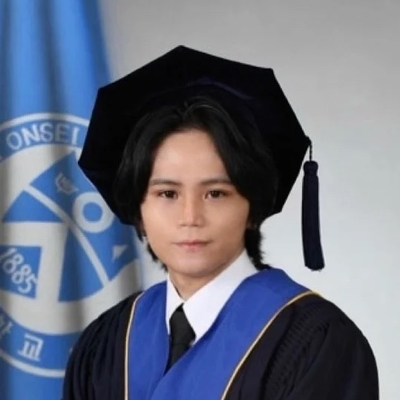 Ace Apolonio
 Most students don’t lose scholarships because they’re unqualified — they lose them because they ran out of time, submitted a rushed essay, or forgot a deadline buried in their inbox. Managing multiple scholarship applications is one of the hardest organizational challenges you’ll face as a student, and almost nobody teaches you how to do it well.
Why Managing Multiple Scholarship Applications Requires a Real System
Here’s the honest truth: applying to one scholarship at a time is a risky strategy. Deadlines get pushed, programs become oversubscribed, and sometimes you simply don’t make it past the first round. Spreading your effort across three to five strong applications dramatically improves your odds — but only if you have a system that keeps you from confusing your GKS personal statement with your Erasmus motivation letter.
The first thing I tell every student I mentor is this: your applications will start to bleed into each other if you don’t treat each one as its own project. That means separate folders, separate document versions, and separate checklists. Sounds obvious, but you’d be surprised how many people are submitting documents saved as “final_FINAL_v3_USE THIS ONE.pdf.”
Start by building a master tracker — a simple spreadsheet with one row per scholarship. Columns should include: program name, deadline, required documents, word counts for essays, recommender names, and current status. Update it every time you touch an application. This single habit will save you from the 11pm panic of realizing a portal closes in six hours.
How to Prioritize When Everything Feels Urgent
Not all applications deserve equal energy at every stage. When you’re managing multiple scholarship applications simultaneously, you need a triage system.
Tier your applications by deadline and fit. Scholarships closing within three weeks go into your active pile. Everything else gets a placeholder in your calendar and stays out of your daily focus. Don’t let a March deadline steal attention from a November one that’s closing next Friday.
Rank by alignment, not just prestige. The scholarship you’re most likely to win isn’t always the most famous one — it’s the one where your profile, research interests, and background fit the selection criteria like a glove. I’ve seen students pour two weeks into a long-shot application while neglecting a program that was practically written for their profile. Be strategic.
Protect your writing time. Essays and motivation letters need cognitive energy, not leftover scraps at midnight. Block two- to three-hour writing sessions on your calendar the same way you’d block a class. If you’re drafting your Scholarship Essay Writing Tips That Actually Win Funding material on the fly between lectures, the quality will show.
Building Document Templates Without Sounding Robotic
One of the biggest time-wasters when juggling multiple applications is rewriting the same core information from scratch each time. The solution is modular writing — but you have to do it right.
Create a master “about me” document that covers your academic background, research interests, career goals, and key experiences. This isn’t a template you copy-paste wholesale — it’s a resource you draw from and adapt. A motivation letter for GKS and a motivation letter for Erasmus Mundus are structurally and tonally different documents. GKS wants to see your connection to Korea and your study plan. Erasmus wants to see your fit with the consortium’s academic philosophy. The raw material can overlap; the framing shouldn’t.
Keep version control simple: name your files with the program acronym and date. “EMJM_Motivation_Letter_Nov2024.docx” is infinitely more manageable than a generic filename shared across six applications. Trust me on this one.
Coordinating Your Recommenders Without Driving Them Away
Your recommenders are doing you a favor. Managing them well — especially across multiple applications — is both a practical and a relationship skill.
Give every recommender a one-page brief for each scholarship they’re writing for. Include: the scholarship name and what it values, your specific connection to the program, two or three achievements you’d like them to highlight, and the submission deadline (with a week of buffer built in). If you’re applying to three programs and one recommender is supporting two of them, make sure they know the letters need to be tailored, not duplicated.
Read How to Ask a Professor for a Recommendation Letter before you reach out to anyone. The way you make the ask — timing, framing, the information you provide — directly affects the quality of the letter you receive. A vague request gets a vague letter.
Set a follow-up reminder two weeks before each deadline. A polite check-in isn’t nagging — it’s good coordination. Most recommenders genuinely appreciate the reminder.
Protecting Your Energy and Avoiding Application Fatigue
Scholarship fatigue is real, and it hits hardest in the final weeks of a cycle when you’re exhausted and the finish line still feels far. Here’s how to avoid burning out mid-process.
First, don’t apply to more than five scholarships in a single cycle unless you have institutional support. More than that and quality starts to collapse under the weight of quantity. Five well-crafted applications beat fifteen mediocre ones every time.
Second, schedule deliberate breaks. If you’ve been writing for four hours straight, the fifth hour produces diminishing returns. Step away. Sleep. The essay will be better tomorrow than it would have been at hour six tonight.
Third, celebrate small wins. Submitted one application? That’s real progress. Got a document reviewed by a mentor? Good. Finished your first essay draft? Excellent. The road to a scholarship offer is long — mark the milestones so you don’t lose momentum.
Finally, find your accountability structure early. Whether it’s a study partner, a mentor, or a group of fellow applicants, having someone to check in with makes a measurable difference in follow-through. Isolation is one of the quieter reasons students abandon applications they were genuinely capable of winning.
Frequently Asked Questions
Q: How many scholarship applications should I submit at once? A: For most students, three to five applications per cycle is the sweet spot. This gives you enough diversification to improve your odds without spreading your effort so thin that quality suffers. If you have strong institutional support or a mentor helping you manage the process, you might push to six — but quality always wins over quantity.
Q: How do I keep my essays from sounding the same across different applications? A: Start with your core story, then rebuild the framing around each scholarship’s specific values and selection criteria. A GKS personal statement emphasizes your academic plan in Korea and cultural motivation. An Erasmus motivation letter focuses on your fit with the consortium’s academic structure. The experiences you draw on may overlap, but the angle, tone, and emphasis should be distinct for each program.
Q: What’s the biggest mistake students make when managing multiple applications? A: Treating deadlines as the only thing that matters. Students often work backward from the submission date without accounting for recommender lead time, document translation, portal registration delays, or essay revision cycles. Build your own internal deadline at least ten days before the official one, and plan every task backward from there.
If you’re in the middle of managing multiple scholarship applications and you’re not sure whether your essays are strong enough, your recommenders are briefed correctly, or your strategy is actually working — that’s exactly what our mentorship is designed for. Start your free 7-day mentorship and get expert eyes on your applications before it’s too late to make a difference.
Written by
Ace Apolonio
2016 GKS awardee, Chemical Engineering graduate from Yonsei University, and founder of Scholars Academie. Since 2019, he has helped thousands of students win prestigious scholarships in South Korea and Europe.
Apply What You've Learned
Get your documents reviewed
by a scholarship winner.
Reading guides is one thing. Having a verified awardee read your actual application — line by line — is another.
Free to start · No credit card required