GKS Application Timeline Checklist: Never Miss a Step
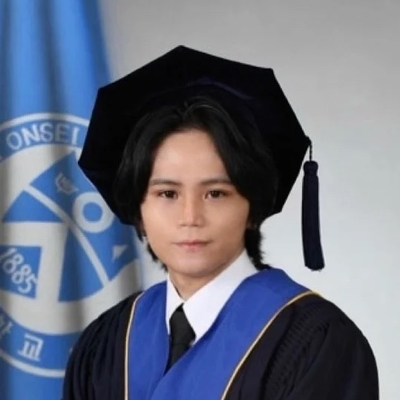 Ace Apolonio
 Most GKS applicants don’t lose the scholarship because their profile is weak — they lose it because they ran out of time. A missing apostille here, an untranslated transcript there, and months of preparation collapse in the final week. That’s exactly why having a clear, stage-by-stage GKS application timeline checklist isn’t optional — it’s the single most important organizational tool you can build before you touch your application portal.
Why the GKS Timeline Trips Up Even Strong Applicants
The Global Korea Scholarship is one of the most competitive government-funded programs in the world, and NIIED doesn’t extend deadlines for anyone. What makes the timeline so unforgiving isn’t just that there’s a hard cutoff — it’s that several documents require weeks of processing that’s completely outside your control.
Apostille certification, for example, can take anywhere from one to four weeks depending on your country. If you’re requesting official transcripts from a university registrar, some institutions need 10–15 business days. Medical examination forms must be completed at designated hospitals. Language certificates like TOPIK must be valid at time of submission. Stack all of these together and suddenly even applicants who started “early” find themselves scrambling.
The solution isn’t to work harder in the last two weeks. It’s to map every requirement to a specific month and move in sequence. Here’s how to do that properly.
The GKS Application Timeline Checklist: Month-by-Month Breakdown
6–8 Months Before the Deadline
This is your research and foundation phase. Your checklist at this stage should include:
- Confirm whether you’re applying through the Embassy Track or the University Track — these have different deadlines and document requirements
- Identify your target universities and verify they participate in GKS for your degree level
- Download the current year’s GKS application guidelines from the NIIED website (guidelines update annually — don’t use last year’s version)
- Start a spreadsheet listing every required document, the institution responsible for issuing it, and the estimated processing time
- Begin drafting your Personal Statement and Study Plan in rough form — these take far longer than most applicants expect
If you’re applying through the University Track, research each university’s internal GKS deadline, which is often several weeks earlier than the national deadline.
4–5 Months Before the Deadline
This is your document collection phase — the most logistically demanding part of the process.
- Request official transcripts immediately (don’t wait until you “finalize” your university list)
- Begin the apostille process for all documents that require it: diplomas, transcripts, birth certificates
- Book your medical examination at a recognized facility — get this done now because rescheduling is difficult
- If you need a TOPIK certificate, register for the next available test date
- Request letters of recommendation from professors or employers; give them a full 4–6 weeks and a clear brief on what to emphasize
One thing I tell every student I mentor: your recommenders are not on your schedule. Ask early, follow up once, and have a backup plan.
2–3 Months Before the Deadline
Now you shift into drafting and refining mode.
- Complete your Personal Statement and Study Plan drafts — have them reviewed by someone who knows the GKS criteria specifically
- Gather language proficiency certificates, research proposal (if required), and any awards or extracurricular documentation
- Prepare passport-sized photos to the exact GKS specifications
- Organize all documents into a master folder, both physical and digital
- Double-check apostille requirements for each document type — some countries require authentication at multiple levels
Your Personal Statement and Study Plan are weighted heavily. If you want guidance on how to structure them persuasively, Scholarship Essay Writing Tips That Actually Win Funding breaks down exactly what evaluators look for.
4–6 Weeks Before the Deadline
This is your final assembly and review phase.
- Compile the complete application package in the exact order listed in the NIIED guidelines
- Verify that every document is signed, stamped, apostilled, and translated where required
- Review your personal statement one final time — not for content, but for tone and specificity
- If applying through a university, confirm submission format (online portal vs. physical package)
- Make two complete copies of your entire application package before submitting
Final 2 Weeks
- Submit your application with at least 5 business days to spare (this is non-negotiable)
- Keep tracking numbers for any mailed documents
- Follow up with your embassy or university contact to confirm receipt
- Begin preparing for a potential interview — Embassy Track applicants are almost always interviewed
The Documents That Consistently Delay Applications
After working with dozens of GKS applicants, I’ve seen the same bottlenecks appear repeatedly. These are the documents you should treat as urgent from day one:
Apostille certification: Required for diplomas and often transcripts. Processing time varies wildly by country — check with your foreign ministry or designated apostille authority immediately.
Medical examination: Must be completed at a hospital approved by the Korean embassy in your country. The form is GKS-specific; general health reports are not accepted.
Official transcripts: Must be sealed and signed by the issuing institution. Many universities now offer digital transcripts, but GKS still requires paper originals in most cases.
Letter of recommendation: At least two are required. Evaluators can tell the difference between a generic letter and one written with genuine knowledge of your work. Point your recommenders to How to Win a Scholarship Abroad: A Step-by-Step Guide for context on what strong recommendations look like in competitive scholarship contexts.
Common Timeline Mistakes and How to Avoid Them
Starting the Personal Statement last: This is backwards. Your statement takes the most revision and benefits from time away between drafts. Write it first, not last.
Assuming apostille requirements are the same as last year: NIIED updates guidelines. What was accepted in 2023 may have different authentication requirements in 2025. Read the current year’s guidelines every time.
Not confirming university-level deadlines: If you’re on the University Track, your deadline is set by the university, not NIIED. Some institutions close applications 4–6 weeks before the national date.
Sending incomplete recommendation requests: Give your recommenders a document that includes your target program, why you’re applying, what to emphasize, and the submission deadline. Vague requests get vague letters.
Frequently Asked Questions
Q: When does the GKS application cycle typically open and close? A: For the Embassy Track, applications generally open in September–October and close between October and February, depending on the country. University Track deadlines vary by institution but typically fall between November and March. Always confirm with your local Korean embassy or target university, as dates shift slightly each year.
Q: How early should I start preparing my GKS application? A: Ideally, six to eight months before your country’s submission deadline. This gives you enough time to process apostilles, gather recommendation letters, sit for TOPIK if needed, and draft a Personal Statement that goes through multiple revisions — not just one.
Q: What happens if one document is missing from my GKS application? A: In most cases, incomplete applications are disqualified without review. NIIED and embassy reviewers do not contact applicants to request missing materials. This is why a detailed GKS application timeline checklist is essential — the cost of a single missing document is the entire application.
Staying organized through a complex, multi-stage application process is a skill in itself — and it’s exactly what separates applicants who submit confidently from those who scramble at the last minute. If you want structured, expert support through every phase of your GKS application — from document planning to Personal Statement review — Start your free 7-day mentorship with Scholars Academie and get guidance from coaches who’ve been through this process firsthand.
Written by
Ace Apolonio
2016 GKS awardee, Chemical Engineering graduate from Yonsei University, and founder of Scholars Academie. Since 2019, he has helped thousands of students win prestigious scholarships in South Korea and Europe.
Apply What You've Learned
Get your documents reviewed
by a scholarship winner.
Reading guides is one thing. Having a verified awardee read your actual application — line by line — is another.
Free to start · No credit card required