GKS Interview Questions and Answers: Win Your Spot
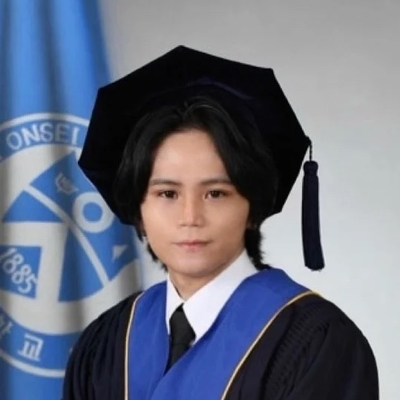 Ace Apolonio
 Most GKS applicants spend months perfecting their documents — and then completely freeze when the interview comes around. The interview is where real decisions get made, and knowing the most common GKS interview questions and answers ahead of time is the single most effective thing you can do to walk in confident and walk out with an offer.
What the GKS Interview Actually Tests (It’s Not What You Think)
A lot of applicants assume the GKS interview is a quiz about Korean culture or academic achievements. It’s not. The professors and committee members interviewing you want to understand one thing above everything else: why you specifically, why Korea, and why now?
They’re looking for coherence. Does your academic background align with your proposed study plan? Does your reason for choosing Korea feel genuine or rehearsed? Are you the kind of student who will represent their university well internationally?
This means your preparation shouldn’t start with memorizing answers — it should start with deeply understanding your own story. What thread connects your undergraduate work, your career goals, and this specific program in Korea? If you can articulate that clearly and honestly, you’re already ahead of most applicants.
The Most Common GKS Interview Questions and Answers
Let me walk you through the questions that come up most frequently, and more importantly, how to actually answer them well.
“Tell me about yourself.” This is almost always the opening question, and most applicants waste it by reciting their CV. Don’t. Use this moment to give a 90-second narrative — where you started, what drove your interest in your field, and why GKS is the logical next step. Keep it focused, not exhaustive.
“Why do you want to study in Korea?” Generic answers about K-culture or technological advancement will not impress anyone. Research the specific academic landscape — Korea’s strengths in your field, the research output of your target department, even the professors you want to work with. One applicant I mentored mentioned a specific paper published by her target professor and how it directly connected to her thesis idea. She got an offer.
“What is your study plan in Korea?” This one trips people up because they think “study plan” means the document they submitted. In the interview, they want to hear you talk through it — your research question, your methodology, how you’ll use Korean resources specifically, and what you plan to do after. Vagueness here is a red flag.
“How will your scholarship benefit your home country?” Be specific and realistic. Don’t say you’ll “contribute to development.” Say what sector you’re going into, what gap you’re addressing, and how Korean training uniquely equips you for that. Committees are investing in you as a future professional, not a concept.
“What are your weaknesses?” Don’t say you’re a perfectionist. Pick something real, explain what you’ve done to work on it, and connect it to how you’re proactively addressing it in your graduate studies plan.
How to Prepare Your Answers Without Sounding Rehearsed
The worst thing you can do is script every answer and recite it word for word. Interviewers can feel that immediately, and it undermines your credibility. What works better is preparing anchor points — the key ideas or facts you want to land in each answer — and then practicing speaking naturally around them.
Record yourself answering common questions and listen back. It’s uncomfortable, but you’ll catch habits like over-qualifying every statement, trailing off at the end of answers, or using filler phrases that dilute your message.
Also practice in English and Korean if you’re applying to a Korean-taught program. Even a few sentences of polite Korean at the start of your interview signals genuine cultural investment, and it tends to make a strong impression.
For broader interview strategy, the advice in our guide on Scholarship Interview Preparation Tips That Win Offers applies directly here — especially the sections on managing nerves and structuring your responses under pressure.
Mistakes That Cost Applicants GKS Offers
I’ve reviewed post-interview reflections from dozens of GKS applicants, and the same mistakes come up repeatedly.
Lack of specificity. Saying “I want to contribute to my country” without explaining how is the fastest way to sound like every other applicant. Be concrete.
Inconsistency with your documents. If your personal statement says one thing about your research focus and you say something different in the interview, that’s a serious credibility problem. Re-read your entire application before your interview date.
Not knowing your professors. You named faculty members you want to work with in your application. Know their research. Know their recent publications. Be prepared to discuss how your interests align.
Treating the interview as one-directional. Most GKS interviews include a moment where they ask if you have questions. Not having any — or asking something you could Google — is a missed opportunity. Ask something thoughtful about the department’s current research direction or collaboration opportunities.
If you’re still working on building a strong overall application profile before your interview, the Scholarship Portfolio Building Tips That Get Results post is worth your time.
The Day Before and Day Of: Practical Logistics
This sounds obvious, but it’s where people drop the ball. Confirm your interview format — is it online or in-person? If online, test your connection, lighting, and audio the day before. Find a quiet room. Have your application documents open in another tab in case you need to reference something.
Dress professionally, even for online interviews. It affects how you carry yourself, not just how you look.
Sleep matters more than one more hour of practice. If you’ve done your preparation, the night before is for rest, not cramming.
Arrive — or log on — five to ten minutes early. Being rushed creates unnecessary anxiety that bleeds into your answers.
Frequently Asked Questions
Q: How long does a GKS interview typically last? A: Most GKS interviews run between 15 and 30 minutes, though this varies by university and program. Embassy Track interviews tend to be shorter, while University Track interviews may go longer depending on the faculty involved. Use the time efficiently — don’t ramble, and don’t rush. Answer each question fully but concisely.
Q: Are GKS interviews conducted in English or Korean? A: For most international applicants, the interview is conducted in English. However, if you’re applying to a Korean-language program, you may be asked questions in Korean or asked to demonstrate basic Korean proficiency. Always clarify the expected language with your contact at the university or embassy before the interview date.
Q: What should I do if I don’t know the answer to an interview question? A: Don’t bluff. It’s far better to say, “That’s something I haven’t fully worked through yet, but my current thinking is…” than to give a confidently wrong answer. Committees respect intellectual honesty. If the question is about your research plan and you’re genuinely unsure, explain your process for working through that uncertainty — that itself shows academic maturity.
If you want to walk into your GKS interview with a clear strategy, polished answers, and a mentor who has helped students secure offers from top Korean universities, Start your free 7-day mentorship at Scholars Academie. We’ll work through your specific application, prep you for the questions most likely to come your way, and make sure you’re not leaving anything to chance.
Written by
Ace Apolonio
2016 GKS awardee, Chemical Engineering graduate from Yonsei University, and founder of Scholars Academie. Since 2019, he has helped thousands of students win prestigious scholarships in South Korea and Europe.
Apply What You've Learned
Get your documents reviewed
by a scholarship winner.
Reading guides is one thing. Having a verified awardee read your actual application — line by line — is another.
Free to start · No credit card required