How to Get Strong Letters of Recommendation for GKS
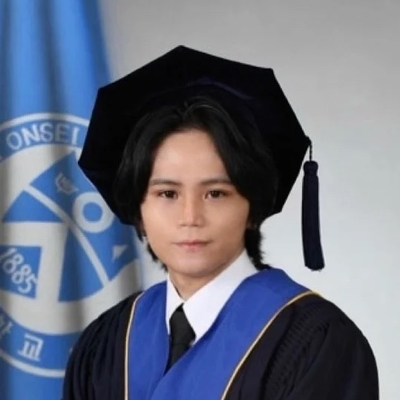 Ace Apolonio
 Most applicants treat Letters of Recommendation as an afterthought. They ask a professor two weeks before the deadline, attach the request to a vague email, and hope for the best.
Then they wonder why their application didn’t make it through.
Letters of Recommendation account for approximately 15% of your GKS evaluation score. That is not a small number. A generic letter from the wrong person can drag down an otherwise strong application. A specific, credible letter from the right person can push you over the edge.
Here is how to get letters that actually work in your favor.
Who Should Write Your Letters
The GKS requires two letters of recommendation, typically from academic or professional supervisors who can speak to your qualifications and character.
Choose People Who Know You Well
The single most important factor is not how senior or impressive your recommender is — it is how well they actually know you.
A letter from a department head who barely knows your name is weaker than a letter from an assistant professor who supervised your thesis and can describe your thinking process in detail. Reviewers can tell the difference immediately.
Ask yourself: Can this person write three specific paragraphs about me — my work, my character, and why I deserve this scholarship — without looking at my résumé? If the answer is no, they are not the right choice.
Academic Recommenders
For most applicants, at least one letter should come from an academic supervisor — a thesis advisor, a professor who supervised a research project, or a faculty member who knows your academic work deeply.
The strongest academic letters describe:
- The specific research or coursework they oversaw with you
- What they observed about your intellectual curiosity, work ethic, and problem-solving
- How you compare to other students they have taught or supervised
- Why they believe you are capable of graduate-level study in Korea
Professional Recommenders
If you have professional experience relevant to your proposed field of study, a strong letter from a direct supervisor can significantly strengthen your application.
This is especially effective when your work experience connects directly to your academic plans. If you’ve been working in public health and you’re applying for a Master’s in Health Policy, a letter from your supervisor describing what you actually accomplished in that role is highly valuable.
How to Ask for a Strong Letter
Most recommenders will write whatever they write. But you can dramatically improve the quality of the letter by being thoughtful in how you approach the request.
Give Them Time
Ask at least 4–6 weeks before the deadline. Recommenders are busy. Asking with two weeks’ notice almost guarantees a rushed, generic letter. Asking early gives them time to write something thoughtful — and signals that you are organized and respectful of their time.
Provide a Full Briefing Packet
When you ask, don’t just send a vague email. Provide everything they need to write a specific, compelling letter:
- Your updated résumé or CV
- A summary of the GKS — what it is, who it’s for, what Korea is looking for
- Your Personal Statement or draft — so the letter can align with and reinforce your narrative
- Specific experiences you worked on together that you hope they’ll highlight
- Why you chose them specifically — be honest about what they know about you that others don’t
- The deadline and submission format
The more context you give, the better the letter. You are not writing it for them — you are making it easy for them to write a strong, specific one.
Have a Conversation
If possible, have a short meeting or call with your recommender rather than just emailing. Walk them through your application, your plans, and why you want to study in Korea. When they understand your story, they can tell it better.
What a Strong Letter Actually Says
The best letters of recommendation for GKS do three things:
1. Establish credibility. The recommender explains their relationship with you — how long they’ve known you, in what context, and at what level of depth. This tells the reviewer how much weight to give the letter.
2. Give specific examples. The letter describes concrete situations where they observed your intellectual ability, work ethic, or character. Not “she is hardworking” — but “when our lab faced a dataset corruption issue two weeks before our submission deadline, she stayed late three consecutive nights and found a solution that salvaged the project.”
3. Make a direct recommendation. A strong letter ends with a clear statement: “I strongly recommend [Name] for the GKS without reservation. In fifteen years of teaching, she is among the most capable students I have supervised.” Weak letters end ambiguously. Strong ones do not.
Red Flags to Avoid
Choosing the most impressive name over the most relevant relationship. A letter from a famous professor who barely knows you is less valuable than one from a lesser-known academic who supervised your thesis.
Asking too late. Rushed letters are noticeably generic. Plan ahead.
Not following up. Politely check in 1–2 weeks before the deadline to confirm the letter is on track. Recommenders get busy and forget. A gentle reminder is professional, not rude.
Using the same recommender everyone else uses. If your school has one professor everyone asks because they write quickly, your letter will look like dozens of others. The best letters come from people who write specifically about you.
A Note on Format
For GKS, letters are typically submitted on official university or company letterhead. Make sure your recommender knows this requirement. Provide a clear template or checklist if needed.
The letter should be signed and, for many embassy tracks, may need to be sealed in an envelope with the recommender’s signature across the seal. Confirm the specific requirements for your track.
Getting your GKS Letters of Recommendation reviewed is part of our mentorship program. Start your free 7-day trial →
Written by
Ace Apolonio
2016 GKS awardee, Chemical Engineering graduate from Yonsei University, and founder of Scholars Academie. Since 2019, he has helped thousands of students win prestigious scholarships in South Korea and Europe.
Apply What You've Learned
Get your documents reviewed
by a scholarship winner.
Reading guides is one thing. Having a verified awardee read your actual application — line by line — is another.
Free to start · No credit card required