TOPIK Score Requirement for GKS: What You Need
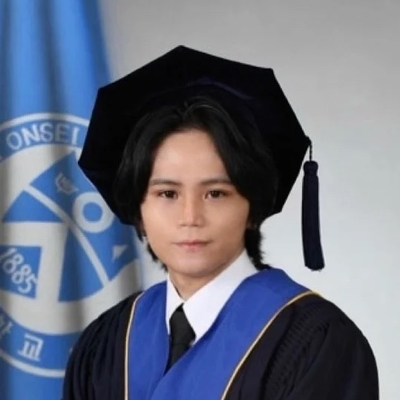 Ace Apolonio
 Most applicants spend months preparing their GKS application without ever getting a straight answer about TOPIK — whether they need it, what score qualifies, and what happens if they don’t have one. Let me clear this up once and for all, because the confusion around the TOPIK score requirement for GKS is costing people real opportunities.
What Is the TOPIK Score Requirement for GKS?
Here’s the honest answer: TOPIK is not a mandatory requirement for most GKS applicants. But that nuance is where a lot of people go wrong — they either stress over needing a high score they don’t have, or they dismiss it entirely when it could actually strengthen their application.
The Global Korea Scholarship (GKS) is administered by the National Institute for International Education (NIIED), and its official guidelines do not set a minimum TOPIK score as a gatekeeping criterion for the undergraduate, graduate, or research tracks. You can apply without any TOPIK certification at all.
That said, having a TOPIK score — and specifically a solid one — does several things for you:
- It can influence your Korean language placement upon arrival in Korea. Without a score, you’ll typically be required to complete a full-year Korean language training program. With TOPIK Level 5 or 6, some universities will waive or shorten that requirement.
- It signals genuine commitment to your host university. Professors and admission committees notice when an applicant has taken the time to learn the language of the country they’re applying to study in.
- In embassy track competitions, language ability can factor into ranking. Different embassies run their own shortlisting processes, and Korea language proficiency occasionally shows up as a scoring criterion in country-specific rubrics.
So while there’s no official cutoff TOPIK score for GKS eligibility, the strategic value of having one is real.
How TOPIK Levels Actually Map to GKS Outcomes
TOPIK has two levels: TOPIK I (Levels 1–2, beginner) and TOPIK II (Levels 3–6, intermediate to advanced). Here’s how they practically play out in the GKS context:
No TOPIK certificate: You qualify for the full one-year Korean language training program, which is paid for by the scholarship. This isn’t a penalty — it’s built into the GKS structure. Many successful scholars start here.
TOPIK Level 1–2: Demonstrates basic exposure to Korean. Unlikely to change your language training requirement significantly, but it shows effort.
TOPIK Level 3–4: This is the range where you start standing out. Some universities accept Level 3 or above as evidence of communicative competence, though waiver policies vary by institution.
TOPIK Level 5–6: This is the sweet spot if you want to skip or reduce language training and move directly into academic coursework. Level 6 is the highest and reads as near-native proficiency on paper.
If your intended program at your target Korean university is taught entirely in English, your TOPIK score matters less for academic integration — but it still shapes your daily life in Korea, and demonstrating it can still set you apart from other applicants who haven’t made that investment.
When Should You Take TOPIK Before Applying?
Timing matters here. GKS applications typically open in September–October for the university track and around March for the embassy track (though this shifts slightly year to year). TOPIK is offered multiple times annually in Korea and in select testing centers internationally.
If you’re planning to apply for GKS and want a TOPIK score in your application file, here’s a general timeline to follow:
- 12+ months before application: Start structured Korean study. Apps like TTMIK (Talk To Me In Korean) and Integrated Korean textbooks are solid starting points.
- 6–8 months before application: Register for a TOPIK II exam date. Don’t wait — international testing slots fill up quickly, and some countries have very limited exam availability.
- 3–4 months before application: Take the exam. This gives you time to retake if your score falls below your target level.
- At time of application: Submit your score report as a supporting document. It’s not required, but include it if you have it.
Don’t delay your entire GKS application because you don’t have a TOPIK score. Apply without it if you must — the scholarship was designed expecting that most applicants won’t have high Korean proficiency.
What to Focus on Instead of Over-Indexing on TOPIK
TOPIK is one small piece of a competitive GKS application. If you’re choosing between spending 200 hours chasing a TOPIK Level 4 versus crafting a genuinely compelling study plan and personal statement, the latter will almost always matter more to selection committees.
The GKS study plan in particular is where most applications are won or lost. It needs to show a clear academic rationale for studying in Korea specifically, with realistic research goals and connection to your home country’s development. This is the document that requires the most strategic thinking. Take a look at our GKS Scholarship Program Success Stories That Inspire to see what actually distinguishes scholars who win — you’ll notice TOPIK rarely comes up as the deciding factor.
Your letters of recommendation, your academic transcript, and your personal statement are doing heavier lifting than a language certificate. Focus your energy proportionately. If you need help structuring those written components, our guide on How to Win a Scholarship Abroad: A Step-by-Step Guide walks through the full picture of what a competitive application looks like from start to finish.
Practical Advice for Applicants Who Are Just Starting TOPIK Prep
If you’ve decided to pursue a TOPIK score before your GKS application — good. Here’s what works:
Use official TOPIK past papers. NIIED releases past exams on the official TOPIK website. Drill those, not third-party mock tests that don’t reflect real exam conditions.
Focus on the reading and listening sections first. These are the highest-weighted portions of TOPIK II and the most learnable through structured study. Writing (the essay section) requires more time investment but is also where strong candidates differentiate themselves at Levels 5 and 6.
Find a language exchange partner or tutor. Speaking practice won’t directly raise your written TOPIK score, but comprehension depth improves dramatically when you’re actively using the language, not just reading about grammar rules.
Set a score goal, not just a “pass” goal. If you’re aiming for TOPIK II, target Level 4 at minimum. Level 3 is passing, but Level 4 and above is where the score starts to genuinely add value to your application portfolio.
Frequently Asked Questions
Q: Is TOPIK required to apply for the GKS scholarship? A: No, TOPIK is not a mandatory requirement for GKS eligibility. Applicants can apply without any Korean language certification. However, having a TOPIK score — particularly Level 3 or above — can strengthen your application and may affect your Korean language training requirements upon arrival in Korea.
Q: What TOPIK level do I need to skip the Korean language training year in GKS? A: There is no universal rule set by NIIED, as language training waiver policies are determined by individual host universities. In general, TOPIK Level 5 or 6 is the most commonly accepted threshold for requesting a waiver or reduction in the one-year Korean language program. Check directly with your target university’s international office to confirm their specific policy.
Q: Can a high TOPIK score compensate for a weak GPA in a GKS application? A: Not directly. GKS selection committees evaluate academic transcripts, study plans, personal statements, and recommendation letters as their primary criteria. A strong TOPIK score is a supplementary asset, not a replacement for academic standing. If your GPA is below the recommended threshold, focus on strengthening your research proposal and personal statement rather than relying on language certification to offset it.
Building a competitive GKS application means understanding which details actually move the needle — and getting expert eyes on your documents before you submit. At Scholars Academie, we’ve helped students navigate exactly this process with real, personalized mentorship. Start your free 7-day mentorship and work with a coach who knows the GKS process inside out, from TOPIK strategy to study plan structure to final submission.
Written by
Ace Apolonio
2016 GKS awardee, Chemical Engineering graduate from Yonsei University, and founder of Scholars Academie. Since 2019, he has helped thousands of students win prestigious scholarships in South Korea and Europe.
Apply What You've Learned
Get your documents reviewed
by a scholarship winner.
Reading guides is one thing. Having a verified awardee read your actual application — line by line — is another.
Free to start · No credit card required