Formatting a Scholarship Essay: What Actually Works
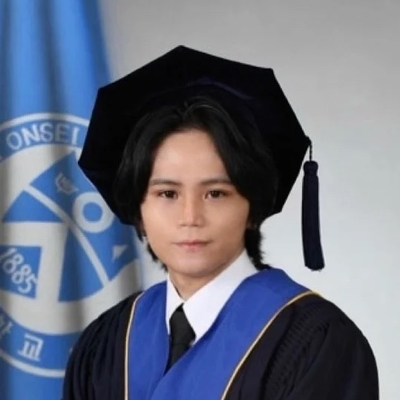 Ace Apolonio
 Most applicants lose a scholarship not because their story was weak, but because their essay was hard to read. Formatting a scholarship essay correctly is one of the simplest things you can do — and one of the most overlooked. Get it wrong, and a reviewer who’s reading their fortieth essay that afternoon will skim yours and move on.
This guide breaks down exactly how to format your scholarship essay so it’s easy to read, professionally presented, and structured to keep a reviewer engaged from the first sentence to the last.
Why Formatting a Scholarship Essay Actually Matters to Reviewers
Let’s get something out of the way: reviewers are not reading your essay in ideal conditions. They’re often evaluating dozens — sometimes hundreds — of applications within a compressed timeline. A poorly formatted essay creates friction. Dense paragraphs, inconsistent spacing, or missing headers signal carelessness before they’ve even read a word you wrote.
On the other hand, a clean, well-structured essay tells the reviewer something important: this applicant respects my time and takes this seriously. That’s not a small thing.
Here’s what good formatting does for your essay:
- It guides the reviewer’s eyes naturally through your argument
- It makes your key points easier to remember
- It signals professionalism and attention to detail
- It prevents your strongest writing from getting buried in visual clutter
For competitive scholarships like GKS or Erasmus Mundus, where the margin between selected and rejected is often razor-thin, presentation matters more than most applicants realize. If you want deeper writing guidance alongside formatting, the Scholarship Essay Writing Tips That Actually Win Funding post covers the content side in detail.
The Core Formatting Rules You Should Never Break
Let’s talk specifics. These aren’t suggestions — they’re baseline standards that any scholarship essay you submit should meet.
Font and size: Stick with Times New Roman, Garamond, or Georgia at 12pt for body text. These are readable, professional, and expected. Avoid anything decorative or sans-serif unless the scholarship specifically requests it.
Margins: 1-inch margins on all sides. Don’t try to squeeze in extra content by shrinking your margins — reviewers notice, and it looks desperate.
Line spacing: Use 1.5 or double spacing unless the instructions specify otherwise. Single-spaced dense paragraphs are exhausting to read. Give the text room to breathe.
Paragraph length: Aim for 4–6 sentences per paragraph. If a paragraph runs longer than 8 lines on the page, break it up. Long paragraphs bury your best ideas.
Alignment: Left-align your body text. Justified text can create awkward spacing between words and is harder to read than most people expect.
Word count: Stay within the specified limit — but also don’t submit something dramatically under it. If the limit is 800 words, you should be writing 720–800. Anything under 650 signals you didn’t take the prompt seriously.
One thing I always tell students: read the scholarship’s specific formatting instructions first, then apply these defaults. Instructions override everything.
How to Structure Your Essay for Maximum Clarity
Formatting isn’t just about fonts and spacing. It’s also about structural clarity — how your ideas are organized on the page.
For most scholarship essays, this structure works well:
Opening paragraph (2–4 sentences): A specific, gripping opening. Not a quote. Not “Since I was a child.” Something that puts the reader directly inside your story or argument.
Body (3–4 paragraphs): Each paragraph should do one job. One paragraph on your background and motivation. One on your academic or professional achievements. One on your future goals. One on why this specific scholarship and institution.
Closing paragraph: Bring it back to the opening. Show growth, purpose, and a clear forward trajectory. Don’t just summarize — land.
If the scholarship allows headers (some do, especially for longer essays or study plans), use them. They make navigation effortless. If headers aren’t appropriate, use strong topic sentences at the start of each paragraph to serve the same function.
For a detailed walkthrough of this structure, the How to Format Scholarship Essay: A Complete Guide is worth bookmarking.
Common Formatting Mistakes That Cost Applicants Points
I’ve reviewed hundreds of scholarship essays through mentorship sessions, and the same mistakes come up repeatedly.
Using bullet points where prose should be: Bullet points feel like a résumé, not a personal statement. Unless the prompt specifically asks for a list, write in full paragraphs. Your reasoning, nuance, and voice live in prose — not bullets.
Ignoring the word count: Going over the limit by even 50 words can disqualify your application outright at some institutions. Going significantly under it suggests you have nothing to say.
Inconsistent formatting throughout a document: If you’re submitting a portfolio or multiple documents, make sure fonts, sizes, and spacing are consistent across everything. Inconsistency looks like you assembled documents in a hurry.
Submitting a PDF that wasn’t proofed for layout: Always convert to PDF last, then open it and scroll through it. Line breaks sometimes shift when converting from Word. A sentence that looked fine in your draft can break awkwardly mid-word in the final file.
No clear visual hierarchy: If everything looks the same — same weight, same size, no variation — the reviewer’s eye has nowhere to rest. Bold key terms sparingly. Use paragraph breaks deliberately.
Also: never submit without proofreading the formatting itself, separate from the content. Read it as if you’re the reviewer. Would you find it easy to read? If not, fix it.
Formatting for Specific Scholarship Types
Not every scholarship uses the same format, and adjusting your approach based on the program matters.
GKS (Global Korea Scholarship): GKS has strict document requirements and often specific templates for the personal statement and study plan. Use their provided templates exactly — don’t reformat them to look nicer. Fill them in cleanly, use formal language, and make sure your study plan reads as an academic document, not a personal narrative. See How to Write a Good Scholarship Essay That Wins for more on calibrating tone.
Erasmus Mundus: Erasmus applications often involve motivation letters with more flexibility. Here, a polished, clean layout in a standard professional format works well. Since you’re applying to a European consortium, the standard A4 page format, 12pt font, and 1.5 line spacing reads as appropriately professional.
General undergraduate scholarships: These often have word-count-limited text boxes in online portals. In those cases, formatting inside the box is limited. Focus on paragraph breaks, short sentences, and strong structure — even if you can’t control fonts or spacing.
Frequently Asked Questions
Q: What font should I use when formatting a scholarship essay? A: Times New Roman, Georgia, or Garamond at 12pt are the safest and most professional choices. These fonts are easy to read, widely accepted, and signal professionalism. Avoid decorative or display fonts entirely, and only deviate from these if the scholarship’s instructions specifically request a different font.
Q: Should I use headers in my scholarship essay? A: It depends on the essay type and length. For short personal statements (under 600 words), headers are usually unnecessary and can feel overly formal. For longer essays, study plans, or research proposals, headers significantly improve readability and help reviewers navigate your argument. Always check whether the scholarship’s guidelines permit or request them.
Q: How do I format a scholarship essay if there’s no word limit given? A: Treat it as 500–700 words unless context suggests otherwise. A shorter, well-crafted essay almost always outperforms a long one in the absence of a stated limit. Use clean formatting — 12pt font, double spacing, 1-inch margins — and structure your content with a clear opening, two to three focused body paragraphs, and a strong close.
Formatting your essay correctly won’t win you a scholarship on its own — but poor formatting can absolutely lose you one. The students who consistently make it past the first round combine strong content with a presentation that makes the reviewer’s job easier, not harder.
If you want expert eyes on your essay before you submit — structure, formatting, and all — start your free 7-day mentorship at Scholars Academie and work directly with a mentor who has been through this process.
Written by
Ace Apolonio
2016 GKS awardee, Chemical Engineering graduate from Yonsei University, and founder of Scholars Academie. Since 2019, he has helped thousands of students win prestigious scholarships in South Korea and Europe.
Apply What You've Learned
Get your documents reviewed
by a scholarship winner.
Reading guides is one thing. Having a verified awardee read your actual application — line by line — is another.
Free to start · No credit card required