Scholarship Essay Editing: Fix What's Holding You Back
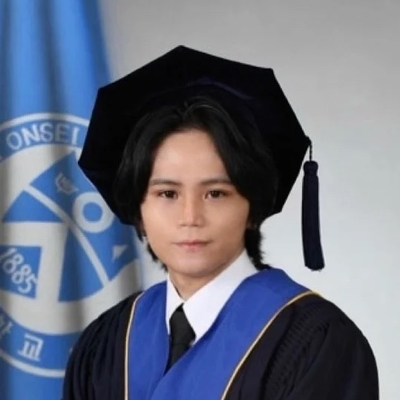 Ace Apolonio
 Most scholarship essays don’t fail because the applicant had nothing to say — they fail because no one helped them say it better. Scholarship essay editing is the step that separates a forgettable draft from the kind of essay that makes a selection committee stop and take notice.
Why Scholarship Essay Editing Is More Than Just Proofreading
Let’s be honest about something: running your essay through Grammarly and asking a friend to “check it real quick” is not editing. It’s a false sense of security that leaves serious problems untouched.
Real scholarship essay editing works on four levels simultaneously:
1. Argument clarity — Is your central message obvious within the first two sentences? Selection committees read hundreds of essays. If your point isn’t clear immediately, it won’t become clear later.
2. Evidence quality — Are your claims backed by specific moments, numbers, or outcomes? “I am passionate about community development” means nothing. “I coordinated a three-month clean water project that served 200 households in rural Ogun State” means everything.
3. Voice and authenticity — Does the essay sound like a real person or a committee report? Formal doesn’t mean robotic. Committees want to fund a human being, not a template.
4. Prompt alignment — Did you actually answer what was asked? This is where more essays fail than you’d expect. An applicant writes beautifully about their leadership experience when the prompt asked about academic contribution. Beautiful but off-target is still a rejection.
Before you get excited about fixing grammar, audit your essay on all four levels above. Grammar fixes are cosmetic. These four are structural.
The Most Common Editing Mistakes Applicants Make
Even motivated applicants — the ones who take editing seriously — make predictable mistakes that hold their essays back.
Editing too soon. If you finish a draft and immediately start editing, you’re too close to it. You’ll read what you meant to write, not what you actually wrote. Give it at least 24 hours. Better yet, 48.
Cutting the wrong things. When told to reduce word count, most people cut adjectives and transition sentences — the connective tissue that makes an essay readable. What they should cut is the preamble. Most scholarship essays waste the first 80–100 words with context the committee doesn’t need. Start with your strongest moment or claim, not background setup.
Over-editing the voice out. I’ve read essays that were edited so many times they no longer sounded like the person who wrote them. They became smooth, polished, and completely lifeless. Your voice — even if it’s a little rough around the edges — is an asset. Preserve it.
Ignoring the ending. The conclusion of a scholarship essay is not a summary. It’s your final impression. If your last paragraph starts with “In conclusion, I believe…” you’ve already lost the reader. End with something forward-facing, specific, and memorable.
Only getting feedback from people who agree with you. Your mum thinks the essay is perfect. Your best friend says it’s amazing. Neither of them will tell you that your second paragraph is confusing or that you never actually answered the prompt. Seek feedback from someone who has read winning essays and has nothing emotionally invested in you.
For a deeper look at structuring your essay before editing begins, How to Write a Good Scholarship Essay That Wins walks through the foundational decisions you need to get right first.
A Practical Scholarship Essay Editing Checklist
Use this after your draft has rested for at least a day:
First pass — big picture:
- Read the prompt again, then read your essay. Does the essay directly respond to what was asked?
- Can you summarize your essay’s central argument in one sentence? If not, the essay needs structural work.
- Is there one clear narrative thread, or does the essay jump between unrelated ideas?
Second pass — paragraph level:
- Does each paragraph have one clear purpose?
- Does every paragraph contain at least one specific, verifiable detail?
- Cut any paragraph that doesn’t move your argument forward.
Third pass — sentence level:
- Flag every sentence that starts with “I am,” “I have,” or “I believe” — vary your sentence openings.
- Cut any sentence that says something like “since I was a child, I always knew…” — committees have read this thousands of times.
- Read the essay out loud. Your ear will catch what your eye misses.
Fourth pass — final checks:
- Word count within limits?
- No spelling errors on proper nouns (scholarship name, university name, country)?
- Does the opening sentence make you want to keep reading?
If you’re juggling multiple applications during this process, Managing Multiple Scholarship Applications Without Burnout has a practical system for keeping your editing schedule sustainable.
How to Use Feedback Without Losing Your Mind
Getting feedback is essential. Using it well is a skill.
When you receive editing notes, don’t implement every suggestion immediately. First, categorize the feedback:
- Factual corrections (wrong word, unclear reference, grammatical error) — implement these without hesitation.
- Structural suggestions (move this section, cut the intro, add evidence here) — these deserve careful thought. Try the change, read the result, then decide.
- Stylistic preferences (a reviewer who wants you to sound more formal, or more casual) — this is opinion, not instruction. Consider the source. If the reviewer has no experience with scholarships, weight their stylistic preferences lightly.
The goal of feedback is to make your argument stronger and your voice clearer — not to make the essay sound like the person reviewing it.
If you’re applying to competitive programs like GKS or Erasmus Mundus, the editing standard is higher than most applicants realize. Essays that reach the final selection round aren’t just well-written — they’re precisely calibrated to the program’s stated values and assessment criteria. Generic editing won’t get you there.
Frequently Asked Questions
Q: How many times should I edit my scholarship essay before submitting? A: There’s no magic number, but most strong essays go through three to five substantive editing rounds — not just proofreading passes. The first round addresses structure and argument. The second tightens evidence. The third refines voice and flow. After that, you’re looking for errors, not making big changes. Editing more than six or seven times often does more harm than good, as you risk over-polishing and losing authenticity.
Q: Should I hire a professional editor for my scholarship essay? A: It depends on what you’re hiring them for. A general editor can help with grammar, flow, and clarity — that’s useful. But scholarship essay editing requires someone who understands how selection committees think, what specific programs value, and how to position your profile strategically. A general editor won’t know that GKS reviewers prioritize research alignment, or that Erasmus panels look for evidence of cross-cultural adaptability. For high-stakes applications, scholarship-specific mentorship is worth far more than generic professional editing.
Q: What’s the biggest red flag in a scholarship essay that editing can fix? A: Vagueness. The most common — and most fixable — problem in scholarship essays is making broad, unsubstantiated claims. “I am a dedicated leader” is a red flag. “I led a team of twelve volunteers to deliver literacy workshops to 340 students over six months” is a green flag. Editing can find every vague claim in your essay and push you to replace it with evidence. That single shift — from assertion to evidence — changes everything about how a committee reads your application.
If you’re serious about editing your scholarship essay to a standard that actually wins funding, you don’t have to figure it out alone. At Scholars Academie, our mentors have guided students through competitive programs like GKS and Erasmus Mundus, and we know exactly what reviewers look for — and what makes them stop reading. Start your free 7-day mentorship and get real, experienced eyes on your essay before it’s too late to make it count.
Written by
Ace Apolonio
2016 GKS awardee, Chemical Engineering graduate from Yonsei University, and founder of Scholars Academie. Since 2019, he has helped thousands of students win prestigious scholarships in South Korea and Europe.
Apply What You've Learned
Get your documents reviewed
by a scholarship winner.
Reading guides is one thing. Having a verified awardee read your actual application — line by line — is another.
Free to start · No credit card required