GKS Lifestyle: What Life in Korea Really Looks Like
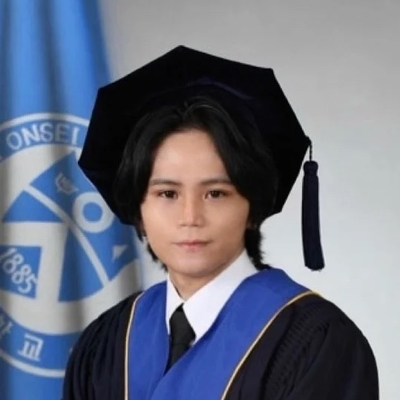 Ace Apolonio
 Nobody tells you that winning the GKS scholarship is only half the journey — the other half is actually living it. The GKS lifestyle is richer, more demanding, and more transformative than most blog posts will admit, and if you go in unprepared, you’ll spend your first semester just catching up.
I’ve worked with dozens of GKS scholars through the transition from applicant to student in Korea, and the same questions come up again and again: What does the stipend actually cover? How intense is the Korean language year? Will I have time for research and a life? This post answers all of that — honestly, practically, and without the promotional fluff.
What the GKS Lifestyle Actually Looks Like Day to Day
Let’s start with the basics. As a GKS scholar, your life in Korea is structured in a way that most international students don’t experience. You arrive 6 to 12 months before your graduate program begins and enter the Korean Language Institute (KLI) — a full-time language course that runs Monday through Friday, roughly 4 to 5 hours of class per day.
That’s not nothing. After class, most scholars spend another 2 to 3 hours reviewing vocabulary, completing homework, or practicing with language exchange partners. Your evenings are genuinely your own, but you’ll want to use them wisely — this is often when scholars explore their campus city, cook in the dormitory kitchen, or start building the friendships that will carry them through the next few years.
Once your graduate program starts, the pace shifts. You’re now a full-time researcher or coursework student, attending seminars, meeting your advisor, and producing work that matters. The GKS lifestyle at this stage looks a lot like the life of any serious graduate student — early mornings, long library sessions, occasional lab nights — but with one important difference: you have financial stability most graduate students don’t.
GKS Stipend Breakdown: What It Covers and What It Doesn’t
One of the most practical aspects of the GKS lifestyle is understanding your stipend. In 2024, GKS scholars receive approximately 1,000,000 KRW per month (roughly $750 USD), plus housing in the university dormitory, tuition coverage, and a settlement allowance when you first arrive.
Here’s what that realistically covers:
- Food: Eating in the university cafeteria keeps costs between 200,000–350,000 KRW monthly. Cooking in your dorm room costs even less.
- Transport: Korean public transit is excellent and affordable. Budget around 50,000–80,000 KRW monthly for buses and subway.
- Phone plan: A basic SIM with data runs about 30,000–50,000 KRW per month.
- Personal expenses: This is where scholars vary. Weekend travel within Korea, clothing, and entertainment can eat through your stipend quickly if you’re not tracking it.
What it doesn’t always cover comfortably: travel home during school breaks, unexpected medical expenses (though you receive health insurance), and the inevitable cost of wanting to experience Korea fully — concerts, day trips to Busan or Gyeongju, and the occasional nice dinner out.
The scholars who thrive financially are the ones who track their spending from month one. Create a simple spreadsheet or use a free budgeting app. It sounds boring, but it removes the anxiety.
Navigating Korean University Culture as a GKS Scholar
Korean academic culture has a few norms that genuinely surprise international students. Hierarchy matters — your relationship with your advisor (교수님, gyosunim) is formal and carries weight. You don’t casually disagree with a professor in a seminar the way you might in a European classroom. That doesn’t mean you can’t advocate for yourself, but you’ll want to read the room and build trust before you push back on anything.
Lab culture varies dramatically by field and university. In STEM programs, especially, it’s not unusual for graduate students to work long hours and remain closely tied to their advisor’s research agenda. In humanities and social sciences, you’ll have more independence. Know what you’re signing up for before you choose your professor — this is something we help students navigate carefully in mentorship, because getting this match wrong can derail your entire experience.
The language year helps enormously here. Even if your coursework is in English, the ability to speak basic Korean signals respect and effort. Korean faculty and peers genuinely respond to this, and it opens social doors that would otherwise stay closed.
Social Life, Mental Health, and Building Community
The GKS lifestyle is not a solo experience — but it can feel that way if you don’t take intentional steps to build community. The language institute period is actually your best window for this. You’re surrounded by other international scholars from all over the world who are in the exact same position: new to Korea, slightly overwhelmed, and looking for connection.
Join a club. Go to the campus orientation events even when you’re tired. Say yes to the group dinner even though you have vocabulary homework. These early connections become your support network when thesis stress hits in year two.
Mental health is something I want to name explicitly: culture shock is real, language fatigue is real, and the pressure of being a scholarship student — feeling like you owe it to everyone to succeed — is real. Korean universities are slowly improving in their mental health resources for international students, but the system still has gaps. Know what counseling services are available at your institution before you need them.
For deeper guidance on how to put together a strong application before you even get to Korea, read our guide on How to Write a Winning GKS Personal Statement — because the mindset you bring to your application is often the same one that carries you through the scholarship.
Managing Your Time: Research, Language, and Everything Else
Time management in the GKS lifestyle isn’t glamorous to talk about, but it’s the skill that separates scholars who flourish from those who constantly feel behind. The first year — especially during KLI — is deceptively free-feeling. Don’t waste it.
Use your language year to do three things: get ahead in Korean, identify your research direction, and start reaching out to potential advisors at your university if you haven’t been assigned one yet. Many scholars wait until the program begins to think about research. The ones who arrive with a clearer academic identity hit the ground running.
Once graduate coursework starts, batch your administrative tasks. Scholarship renewals, NIIED reports, and university paperwork tend to pile up. Blocking one afternoon per month to handle all administrative obligations keeps them from bleeding into your research time.
If you’re in the application phase and working on multiple submissions simultaneously, the strategies in Managing Multiple Scholarship Applications Without Burnout translate directly into how you’ll want to manage your workload once you’re actually in Korea.
What GKS Scholars Wish They Knew Before Arriving
After working with many GKS scholars, here’s what comes up most often when I ask what they’d tell their pre-departure selves:
Bring more comfortable shoes than you think you need. Korean cities are walkable in the best way, but you will walk a lot.
Open a Korean bank account on your first week. Stipend disbursement and everyday transactions are smoother with a local account. KEB Hana Bank is the most common choice for foreign students.
Learn the post office and pharmacy systems early. These feel small but become genuinely stressful if you encounter them for the first time during a hard week.
Don’t compare your academic progress to Korean domestic students. You are operating in your second or third language, often in a new research culture, in a new country. Calibrate your expectations accordingly — but don’t use this as a reason to coast.
Frequently Asked Questions
Q: How much is the GKS monthly stipend and is it enough to live on in Korea? A: The GKS stipend for graduate scholars is approximately 1,000,000 KRW per month (around $750 USD) as of 2024. Combined with free dormitory housing and tuition coverage, most scholars find this sufficient for a comfortable, modest lifestyle — especially if they cook occasionally and use public transport. It becomes tight if you travel frequently or live in a high-cost city like Seoul without careful budgeting.
Q: Is Korean language proficiency required before starting GKS? A: No prior Korean language knowledge is required for most GKS applicants. All scholars complete a one-year Korean language training program at a Korean Language Institute before beginning their graduate program. However, arriving with even basic Korean (Hangul reading, simple phrases) makes the KLI year significantly less stressful and helps you settle into daily life much faster.
Q: Can GKS scholars work part-time while studying in Korea? A: GKS scholars are generally permitted to engage in limited part-time work, but this is subject to visa conditions and NIIED regulations. Most scholars find the academic workload — especially during the graduate program phase — leaves little time for outside employment. The stipend is intended to cover living costs so you can focus entirely on your studies.
If you’re still building your GKS application or want expert eyes on your personal statement, research plan, or document checklist, we can help. At Scholars Academie, our mentors have guided students through every stage of this process — from the first draft to the embassy interview. Start your free 7-day mentorship and find out exactly what your application needs to get to the next level.
Written by
Ace Apolonio
2016 GKS awardee, Chemical Engineering graduate from Yonsei University, and founder of Scholars Academie. Since 2019, he has helped thousands of students win prestigious scholarships in South Korea and Europe.
Apply What You've Learned
Get your documents reviewed
by a scholarship winner.
Reading guides is one thing. Having a verified awardee read your actual application — line by line — is another.
Free to start · No credit card required