GKS Personal Statement Structure That Gets You In
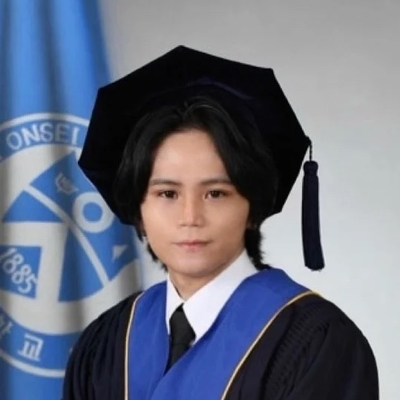 Ace Apolonio
 Most GKS applicants write their personal statement like a diary entry — they list what they’ve done and hope that’s enough. It isn’t. The personal statement is the one document in your GKS application where your voice, your logic, and your vision have to do serious work, and if the structure is off, even a brilliant candidate can read like an afterthought.
Why GKS Personal Statement Structure Matters More Than You Think
The Global Korea Scholarship is competitive in a way that rewards clarity. Reviewers are reading hundreds of statements, often across multiple countries and disciplines. What separates the ones that move forward isn’t just strong academics — it’s a statement that feels like it was written by someone who actually knows where they’re going and why Korea is the place to get there.
Structure is how you communicate that clarity. A well-structured GKS personal statement signals that you can think in sequence, prioritize relevant information, and make a case. A poorly structured one — even with impressive content — makes the reviewer work too hard, and they won’t.
I’ve reviewed enough of these to tell you: the problem is almost never that an applicant isn’t qualified. It’s that their statement doesn’t make the argument their qualifications deserve.
The Core GKS Personal Statement Structure (Section by Section)
Here’s the framework I recommend to every student I mentor. Think of it as five moves, not five paragraphs — some sections may span two paragraphs depending on your story.
1. The Opening Hook (1 paragraph) Start with a specific moment, observation, or problem — not a generic statement about your passion for learning. Something that places the reader inside your experience. “I spent three months in a rural clinic with no reliable diagnostic equipment” is a hook. “I have always been passionate about medicine” is not.
2. Your Academic and Professional Background (1–2 paragraphs) Summarize what you’ve studied and done, but frame it as evidence, not biography. Each thing you mention should feel like it’s building toward something. Don’t list — connect. Show how your undergraduate thesis, internship, or research experience revealed a specific gap or problem you want to address.
3. Why This Research or Program (1–2 paragraphs) This is where most statements go thin. Be specific about what draws you to your intended field or research area. If you’re applying to a graduate program, name faculty whose work aligns with yours. If you’re at the undergraduate level, explain what academic direction you’re pursuing and why it genuinely matters to you. Vague enthusiasm here costs you points.
4. Why Korea (1 paragraph) Don’t skip this or treat it as a formality. Korea isn’t just a backdrop — it’s a deliberate choice, and reviewers know when it isn’t. Reference specific strengths of Korean academia in your field, bilateral relevance if applicable, or cultural and linguistic motivations that are genuine. If you’ve engaged with Korean culture, language, or institutions before, this is where to mention it.
5. Your Future Goals and Impact (1 paragraph) End by connecting your study to something bigger than yourself. What do you plan to do with this degree? Who benefits? How does your home country or community factor in? GKS has a development and exchange dimension — reviewers respond to applicants who’ve thought past graduation day.
For a deeper look at what makes scholarship writing actually land with evaluators, read How to Write a Good Scholarship Essay That Wins — it covers the underlying principles that apply across all competitive scholarships, including GKS.
Common Structural Mistakes in GKS Personal Statements
Knowing the right structure only helps if you also know what breaks it. Here are the patterns I see constantly:
Burying the research interest. Some applicants spend three paragraphs on background and barely one sentence on what they actually want to study. The research or academic focus is the core of your application — give it space.
The “Korea is beautiful and technologically advanced” paragraph. This tells reviewers nothing meaningful. It suggests you haven’t done your homework. Replace it with something specific: a Korean university’s ranking in your field, a research center whose work you’ve read, or a linguistic reason tied to your research sources.
Starting too broadly. “Education is the key to development” is not a hook. It’s a platitude. Start somewhere real.
No throughline. Every section of your statement should feel connected. If your opening is about water scarcity and your closing is about tech entrepreneurship with nothing linking them, you’ve lost the reader. Build a narrative spine and stick to it.
Forgetting tone. A personal statement isn’t a CV narrative or a research abstract. It’s a human document. Write in first person, be direct, and don’t hide behind academic jargon unless you’re defining something technical.
If you’re building your application documents from scratch and aren’t sure what else reviewers look for beyond the statement itself, What Scholarship Evaluators Look For (And How to Deliver It) breaks down the full picture from a reviewer’s perspective.
How Long Should Your GKS Personal Statement Be?
GKS application guidelines typically specify a page limit or word count — follow it exactly, because going over signals poor judgment and going significantly under suggests you don’t have enough to say. Most GKS personal statements land between 800 and 1,200 words when the prompt doesn’t restrict further.
Within that range, aim for density over volume. Every paragraph should earn its place. If you can cut a sentence without losing meaning, cut it. Reviewers notice tight writing — it reads as confidence.
One practical tip: write long first, then cut. It’s much easier to trim a 1,400-word draft to 1,000 words than to pad a thin 600-word statement into something substantial.
Tailoring Your Statement for Undergraduate vs. Graduate GKS
The GKS has two tracks — undergraduate and graduate — and your personal statement needs to reflect which one you’re applying for.
Undergraduate applicants have less professional or research experience, and that’s expected. Focus on academic potential, intellectual curiosity, specific areas of interest, and why you’ve chosen Korea for your degree. Show you’ve thought seriously about your field even if you haven’t worked in it yet.
Graduate applicants are expected to bring a research focus. Be explicit about your thesis direction, methodology interests, or professional problem you’re trying to solve. The vaguer your research plan, the weaker your application — even if your grades are exceptional.
Both tracks benefit from the same structural backbone outlined above, but the weight shifts. Undergrads lean harder on future goals; graduate applicants lean harder on specific academic or research intent.
Frequently Asked Questions
Q: How many paragraphs should a GKS personal statement have? A: There’s no fixed paragraph count, but most successful GKS personal statements have five to seven focused paragraphs covering: a hook, academic background, research or program interest, why Korea, and future goals. Prioritize clarity and flow over hitting a specific number.
Q: Can I use the same personal statement for multiple GKS university choices? A: You can use the same core structure, but you should tailor at least the “why this program” section for each institution. If your top university choice has a specific lab or faculty member you want to work with, name them. Generic statements that could apply to any Korean university are easy to spot and easy to deprioritize.
Q: What’s the biggest mistake applicants make in their GKS personal statement? A: Writing about what they’ve done instead of making an argument for what they’re going to do. The GKS personal statement isn’t a retrospective — it’s a proposal. Your past is evidence. Your research goals, your reason for choosing Korea, and your future impact are the actual case you’re making.
If you’re serious about getting your GKS personal statement right — not just structurally sound but genuinely compelling — working with a mentor who has been through the process makes a real difference. At Scholars Academie, we’ve helped students across multiple countries build GKS applications that move forward. Start your free 7-day mentorship and get direct feedback on your personal statement before you submit.
Written by
Ace Apolonio
2016 GKS awardee, Chemical Engineering graduate from Yonsei University, and founder of Scholars Academie. Since 2019, he has helped thousands of students win prestigious scholarships in South Korea and Europe.
Apply What You've Learned
Get your documents reviewed
by a scholarship winner.
Reading guides is one thing. Having a verified awardee read your actual application — line by line — is another.
Free to start · No credit card required