GKS Scholarship Benefits and Allowance: Full Breakdown
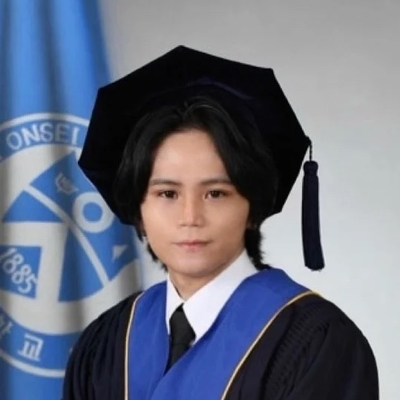 Ace Apolonio
 Most students who apply for the GKS scholarship have no idea what they’re actually signing up to receive — and that gap in knowledge costs them during interviews and personal statements. Understanding the full GKS scholarship benefits and allowance package isn’t just useful background information; it’s a strategic advantage that will shape how you write your application and how you present yourself to selection committees.
What the GKS Scholarship Benefits and Allowance Package Actually Covers
Let’s get specific, because “full scholarship” means different things in different programs. For GKS — the Global Korea Scholarship administered by the National Institute for International Education (NIIED) — the package is genuinely comprehensive. Here’s what’s included:
Tuition fees: Covered in full. NIIED pays your tuition directly to your Korean university. You don’t pay anything, and there’s no cap that leaves you scrambling for the balance.
Monthly living allowance: This is where GKS stands out. Undergraduate GKS scholars receive approximately KRW 900,000 per month (roughly USD 680), while graduate scholars receive KRW 1,000,000 per month (roughly USD 750). These figures are enough to cover rent, food, and day-to-day expenses in most Korean cities — especially if you’re living in university accommodation.
Airfare: NIIED covers one round-trip economy class ticket — one ticket upon arrival in Korea and one for your return home after completing your studies. This is a fixed support, not a reimbursement based on whatever you paid. Keep that in mind if you’re flying from a region with expensive routes.
Korean language training: Before your degree program begins, you’ll complete a one-year Korean language course. This isn’t optional — it’s mandatory and fully funded. The training allowance during this period is the same as your regular monthly stipend.
Medical insurance: GKS provides medical insurance coverage throughout your stay. You’re not left figuring out Korean healthcare on your own.
Settlement allowance: When you first arrive, you receive a one-time settlement allowance of KRW 200,000 to help cover initial expenses like SIM cards, bedding, or anything you need to set up your living space.
Dissertation printing fee (for graduate students): Master’s and doctoral students receive an additional allowance to cover the cost of printing and binding their thesis.
How the Monthly Allowance Compares to Real Living Costs in Korea
Numbers only mean something in context. KRW 1,000,000 per month sounds substantial, but is it enough? Honestly — yes, if you’re sensible about it.
University dormitory costs in Korea typically range from KRW 200,000 to KRW 400,000 per month, depending on the institution and room type. That leaves you between KRW 600,000 and KRW 800,000 for food, transport, personal expenses, and leisure. If you cook at home even part of the time and use public transport (which is excellent and affordable in Korean cities), you can live comfortably and even save a small amount each month.
Seoul is the most expensive city, but universities in Daegu, Busan, Daejeon, and other cities are notably cheaper for day-to-day living. Some students strategically prefer non-Seoul universities partly for this reason — the scholarship amount goes further.
What the allowance won’t cover generously: frequent travel abroad, expensive hobbies, or significant personal spending. GKS isn’t a luxury package, but it’s a fully functional one. Students who go in with realistic expectations thrive financially.
Benefits Beyond the Money: What GKS Really Offers
The financial package is the headline, but some of the most valuable GKS scholarship benefits aren’t listed on the NIIED website.
Academic prestige and alumni network: GKS scholars gain access to an international community of alumni spread across government, academia, business, and development sectors globally. This network is actively cultivated through Korean government initiatives and alumni associations.
Language acquisition: Completing a full year of intensive Korean language training before your degree program is a real professional asset. Korean is one of the world’s top 15 most spoken languages, and Korea is a major player in technology, manufacturing, entertainment, and diplomacy.
Cultural immersion: This isn’t marketing language — it’s practical. Korea invests in integrating GKS scholars into cultural programs, university events, and orientation activities. You leave with cross-cultural competency that employers in international organizations genuinely value.
Research infrastructure: Korean universities have made significant investments in research facilities, particularly in STEM fields. If your goals are academic or research-oriented, you’re entering a competitive and well-resourced environment.
If you’re in the process of building your application, take a look at our guide on Scholarship Portfolio Building Tips That Get Results — having a clear record of your achievements before you apply makes a real difference.
Common Mistakes Students Make When Discussing GKS Benefits in Their Applications
Here’s something I see repeatedly when reviewing applications: students mention the scholarship package in ways that make them sound financially motivated rather than academically driven. Selection panels notice this.
You shouldn’t write something like: “I am applying for GKS because it provides full tuition and a monthly allowance, which will allow me to study without financial pressure.” That’s honest, but it’s the wrong emphasis.
Instead, weave the benefits into your narrative in a way that centers your academic and professional goals. The financial support is the enabler — your research agenda, your career vision, and Korea’s specific academic environment are the reason.
Also, many applicants don’t realize that the GKS allowance can be reduced or suspended if academic performance drops below the required standard. Mentioning your commitment to maintaining strong academic standing (without being sycophantic about it) demonstrates that you understand how the scholarship works.
For help making your written application as compelling as possible, our post on How to Write a Good Scholarship Essay That Wins walks through the exact framing strategies that work for merit-based scholarships like GKS.
Tips for Making the Most of Your GKS Allowance Once You Arrive
Planning your finances before you land saves real stress in the first few months.
- Open a Korean bank account as early as possible. NIIED deposits your monthly allowance into a Korean account. Your university will guide you through this process during orientation, but arriving with knowledge of what’s coming helps.
- Apply for university dormitories early. They fill up fast and are significantly cheaper than off-campus rentals. Priority is often given to international scholarship students, but don’t assume — confirm with your university’s international office.
- Track the exchange rate before you arrive. Your monthly KRW allowance’s real value fluctuates based on your home currency. Build a small buffer in your first month rather than spending freely until you understand your actual purchasing power.
- Use T-money cards for transport. Korea’s public transport is efficient and inexpensive. A T-money card (rechargeable transit card) gives you slightly discounted fares and works on buses, subways, and even some taxis across the country.
Frequently Asked Questions
Q: How much is the GKS monthly allowance for graduate students? A: Graduate GKS scholars receive KRW 1,000,000 per month (approximately USD 750), while undergraduate scholars receive KRW 900,000 per month. This allowance is paid throughout the program, including during the mandatory Korean language training year, and is deposited directly into a Korean bank account.
Q: Does the GKS scholarship cover flights to and from Korea? A: Yes. NIIED provides one economy class round-trip airfare — one flight upon arrival to begin your studies and one return flight upon completion of your program. The amount is based on a fixed rate, not your actual ticket price, so it’s worth factoring that into your travel planning.
Q: Can the GKS allowance be reduced or taken away? A: Yes. The GKS stipend can be reduced or suspended if a scholar fails to meet the academic performance requirements set by their university or NIIED. Scholars on academic probation or those who violate scholarship terms may have their allowance reduced. Maintaining satisfactory academic progress is a condition of receiving continued support.
The GKS scholarship is one of the most complete government-funded scholarship packages available to international students anywhere in the world — but receiving it means first winning it, and that starts with a strong, specific, well-coached application. If you’re serious about your GKS application and want expert eyes on your documents before you submit, start your free 7-day mentorship with Scholars Academie and work directly with advisors who have guided students through every stage of the GKS process.
Written by
Ace Apolonio
2016 GKS awardee, Chemical Engineering graduate from Yonsei University, and founder of Scholars Academie. Since 2019, he has helped thousands of students win prestigious scholarships in South Korea and Europe.
Apply What You've Learned
Get your documents reviewed
by a scholarship winner.
Reading guides is one thing. Having a verified awardee read your actual application — line by line — is another.
Free to start · No credit card required